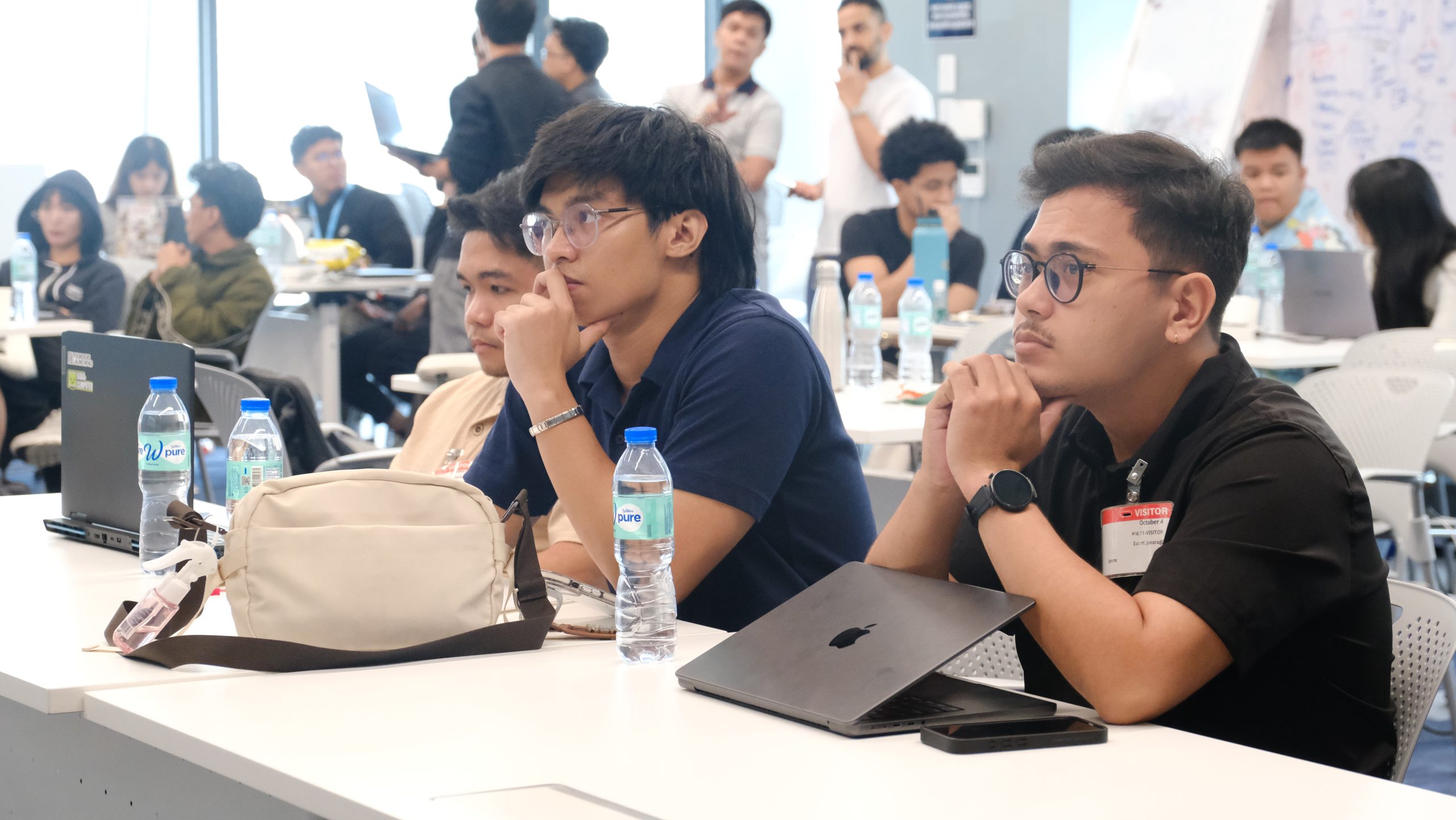
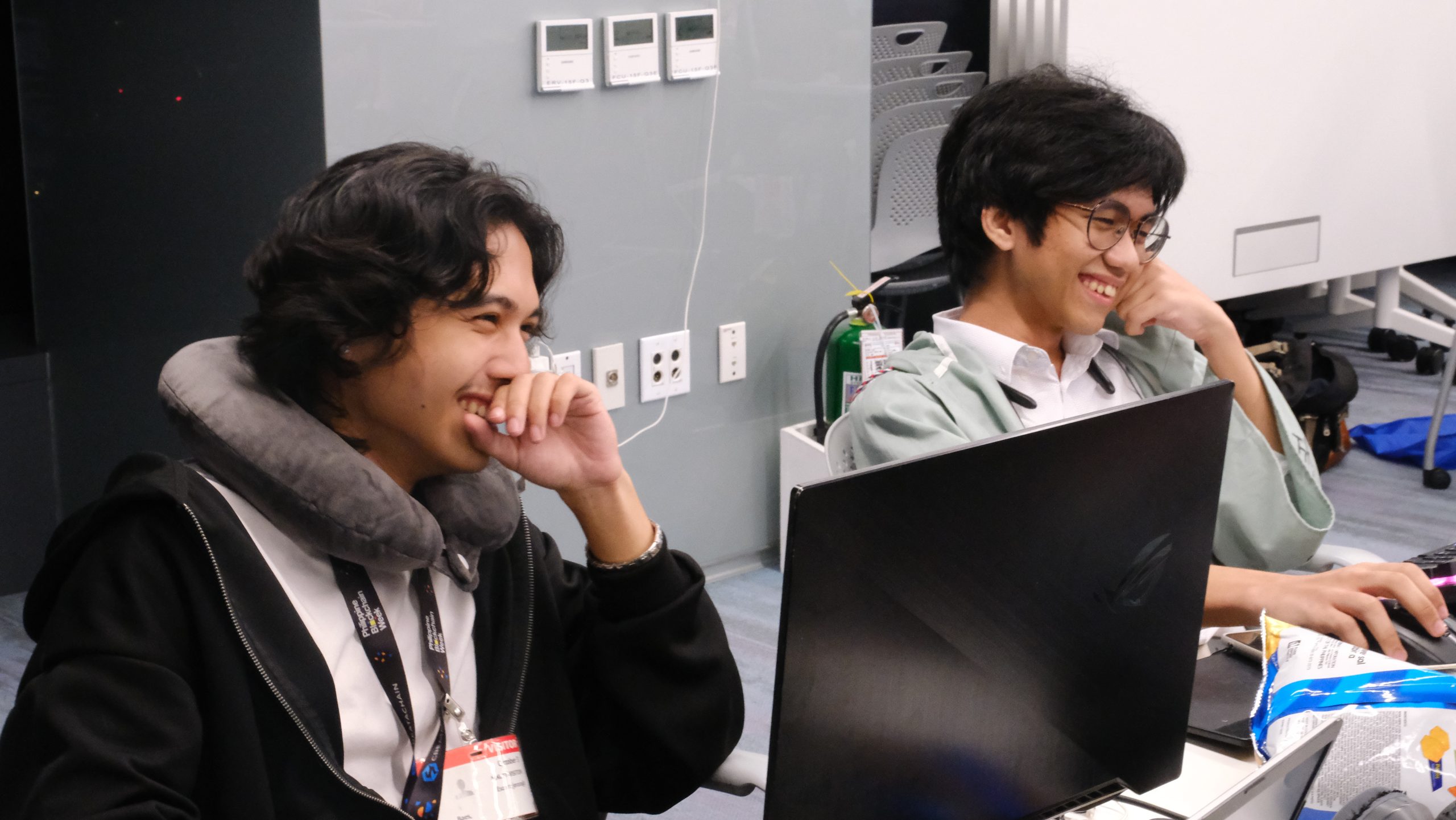
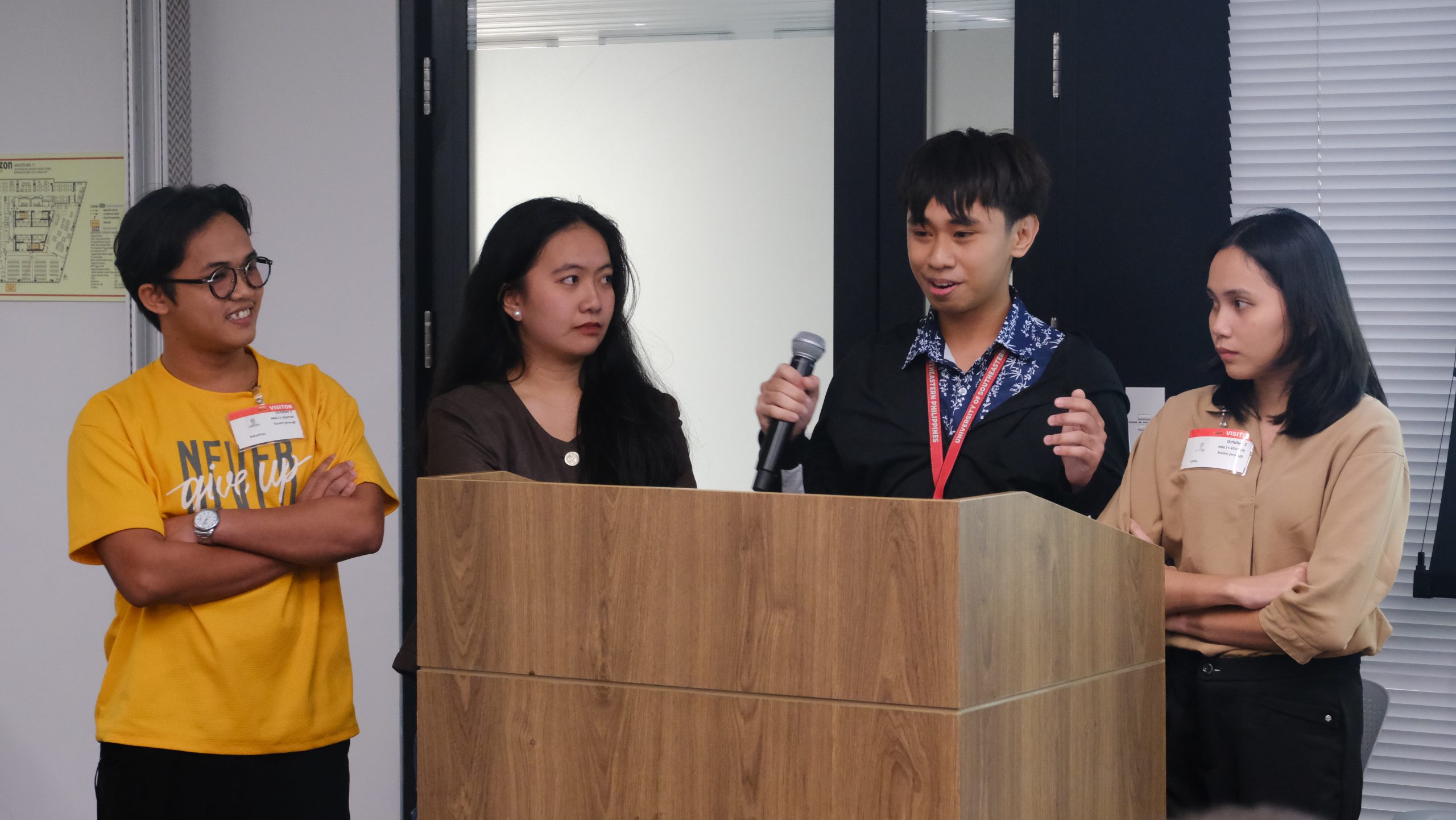
The room is cold.
The bug won’t budge.
The night is long.
Everything says stop. So what does a builder do against odds like these?
They build.
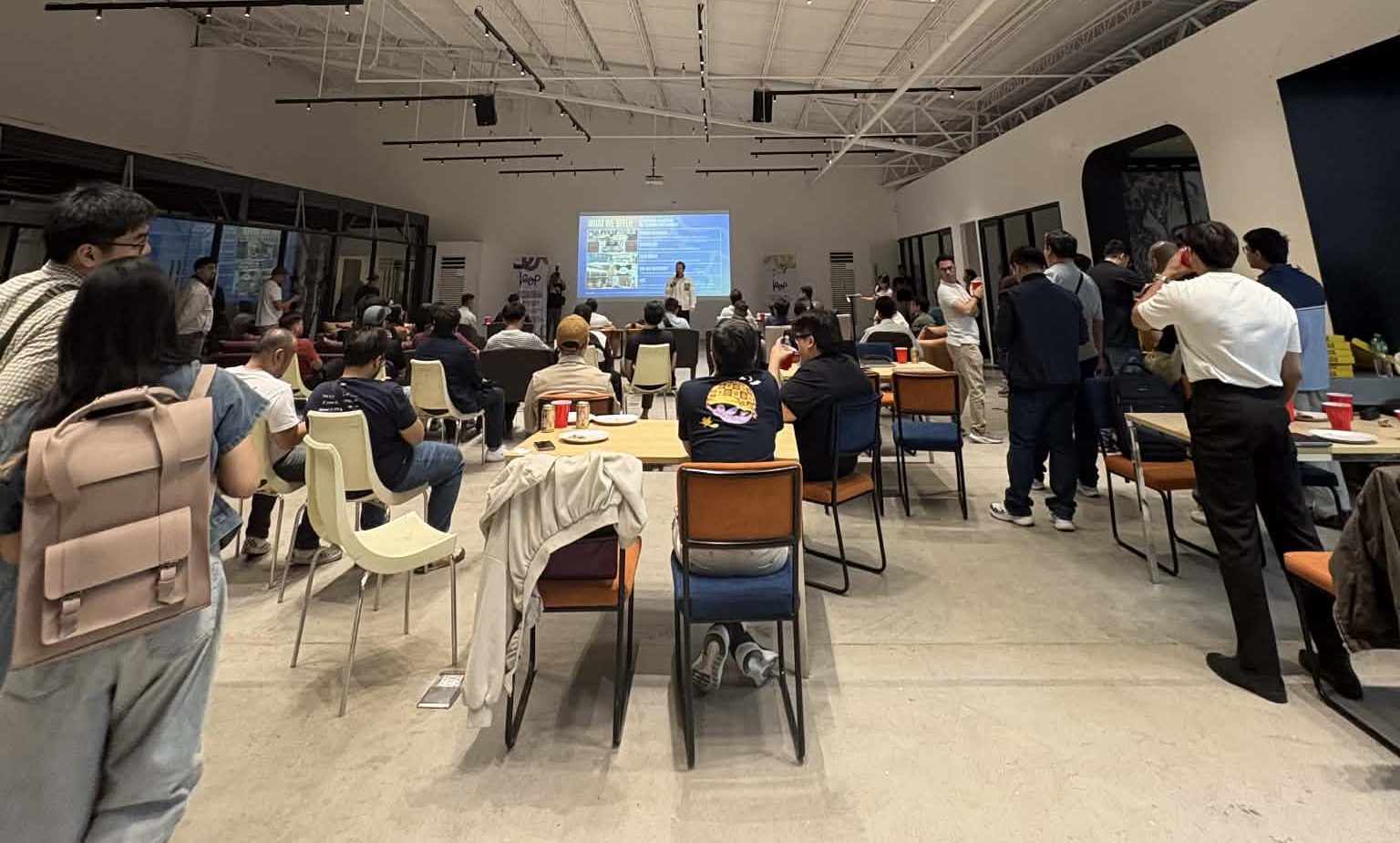
That was the scene at Build Over Nights: Kiro x Quick Hackathon, held October 3-4, 2026 at the AWS Office in Arthaland Century Pacific Tower, BGC, Taguig. Organized by AWS User Group Philippines together with Kiro and Quick, the overnight event brought together 36 shortlisted teams of students and working professionals, up to four people each, to build a working project using Kiro and Amazon Quick.
According to the official program, teams chose from four tracks: Climate Change, Educational Crisis, Health & Well-Being, and Agora Voice First. Each team had already earned its seat by pitching, with the Top 36 announced on September 27.
Then the clock took over. Development time ran from 10:00 PM on October 3 to 10:00 AM on October 4. By 1:10 PM, semifinals began, with 10 teams per track pitching at once. Grand finals followed from 3:30 to 5:42 PM at 11 minutes per group, and the awards began at 6:45 PM.
Before the keyboards got loud, a few voices set the tone.
Carlos C. Manuel, President and CEO of the Philippine Computer Society, spoke on “Build for Those Left Behind.” Ashley Nicole Santos, Agora Country Lead Ambassador, gave the sponsor talk. Karen Grace Paguia of R.G. Manabat & Co. (KPMG in the Philippines) covered “KPMG: AI in Real World,” and Nix Nolledo, CEO of Eden Holdings, spoke for Internly.
A national computing society, a voice-AI platform, a professional-services firm and a startup voice in one room says something simple: building with AI isn’t one industry’s job. And the first talk left a question that echoed all night. Who are you building for?
One team gave a clear answer. Linea, built by Team KIEAS, the Agora Voice First 1st runner-up, is a voice-first check-in system for elderly parents who live far from their children.
Here’s how it works. Agora’s conversational AI places the call and handles the listening and speaking. The team’s own backend then runs the check-in and safety rules. As one teammate put it, Agora is “the voice layer end to end,” and the team built the logic and app around it.
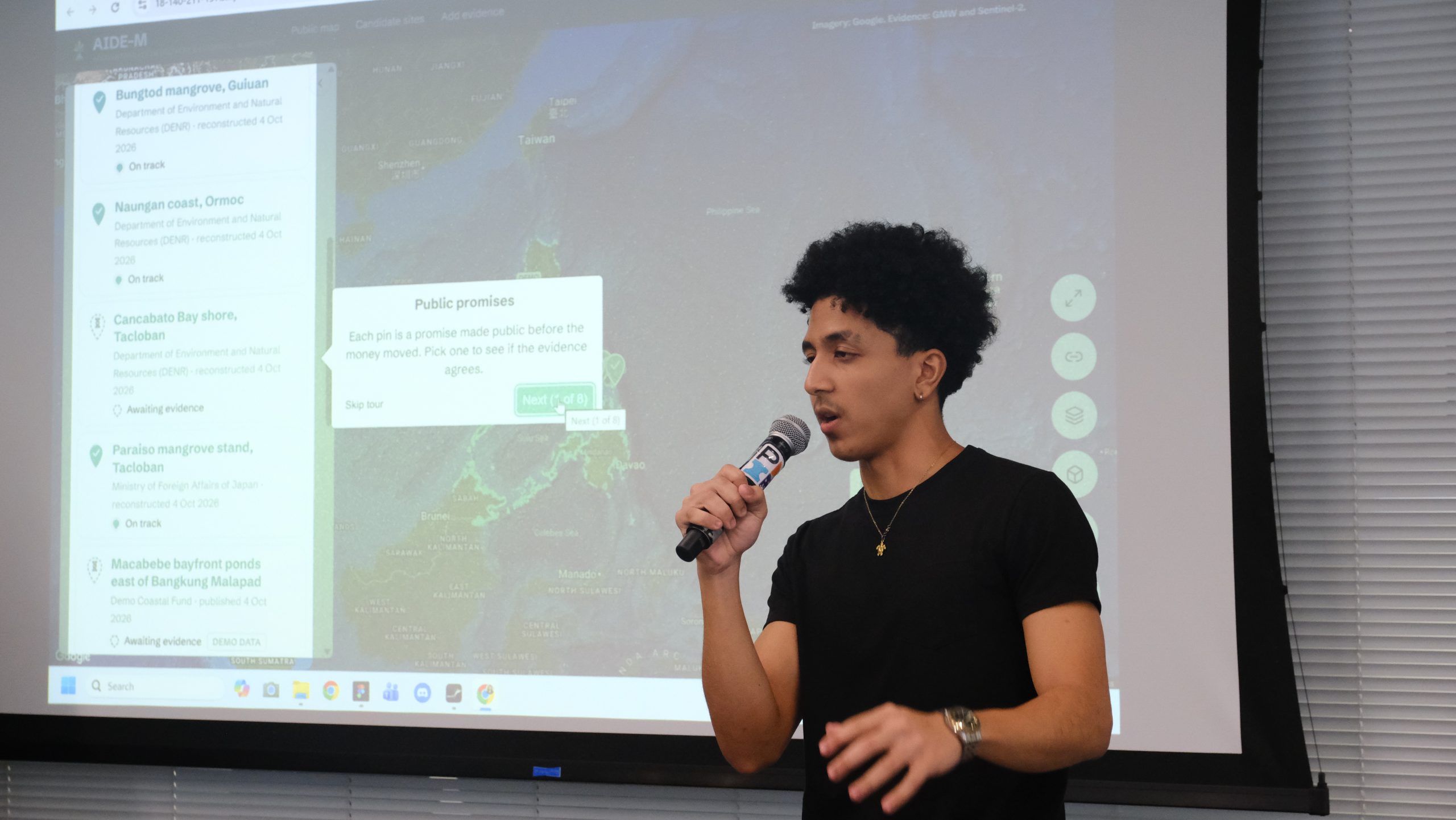
They weren’t alone. Other teams chased problems just as personal. A two-person team built a live communication app to help elementary students keep their mother tongue and dialects. Others worked on a mangrove tracker, an IoT device feeding cloud AI forecasts, a site to bridge fragmented healthcare systems, and an AI platform that runs a whole lesson from start to finish.
Behind all of it, the two required tools had clear jobs. Quick helped with research, and Kiro helped turn that research into working features. Some teams said Kiro planned their project from idea to implementation. One health team valued Quick as a verified source, since other AI tools can hallucinate.
When the awards came, the champions were GEKKŌ++ (Climate Change), Kosmos (Health & Well-Being), NovaTech (Educational Crisis) and Team TUWON (Agora Voice First).
But the tools were never the hard part. The hard part was everything around them.
Space was tight, so teams carved out spots to work and spots to rest. One team’s system ran slow. One bug came down to Google Cloud billing. Another was as small and stubborn as connecting a phone number to Agora, and a satellite-data integration took one team “research, debating, arguing, and then coming up with a solution.” Some builders were first-timers, and they admitted the pressure.
That distinction matters. Speed from AI doesn’t remove integration, cost or fatigue. As sponsor Jon Bonso put it, talent and titles may give you an advantage, “but never the assurance of success.“
That’s why this night matters most for students and first-time builders. You don’t need a perfect plan or a perfect night. Pick a problem that matters to a real person, keep a team you trust, and expect the bug.
One participant said it best: “It’s not something that we prepared. It’s something we built on the spot.” Another, who traveled from Davao, said the trip was “worth everything.”
And maybe that’s the real takeaway. A hackathon doesn’t measure who had the neatest plan. It shows who stayed at the keyboard when the plan fell apart.
Behind every project name was someone running on little sleep and a lot of hope. Even through chaos, a builder will build, against all odds.
For KaKaComputer, that’s what’s worth remembering from Build Over Nights 2026.
Not a perfect night.
Not a smooth build.
Just builders.
Building anyway.
#KaKaComputer #BuildOverNights #BuildOverNights2026 #KiroxQuick #AWSUGPH #AmazonQuick #Agora #Hackathon #AIinPhilippines #Philippines
About the Author
Kristina Diane Aviles is not the kind of person who waits for the right moment — she shows up, camera in hand, and finds the story in the room. An Information Technology student at the Polytechnic University of the Philippines – Sta. Mesa, she lives at the intersection of technology and storytelling, convinced that the most powerful thing you can do with knowledge is make it mean something to someone else.
She is a writer, a photographer, a builder, and a public servant — not because she had to choose, but because she refused to. She currently serves as a writer and website encoder for KakaComputer, where her technical background and her love for words finally found a home in the same place.
When she is not writing about tech, she is documenting communities, building projects that matter, and saying yes to side quests that turn into something she never expected.
She believes that passion is not just something you feel — it is something you build a life around.
About the Author: kristina aviles