
AppBuildersPH Hackathon 2026: 24 Hours to Build, Ship, and Demo
Filipino builders took over Cyberzone, SM Makati, to prove that great ideas start with real problems.
When AppBuildersPH announced its first hackathon, it didn’t expect the response it got. Within two days of the announcement, more than 1,000 participants had registered, and the countdown to kickoff had barely begun. By the time the finalists took the stage, 1,270 builders had registered, and 731 of them shipped 281 projects.
The Format: One Day to Build, One Day to Show
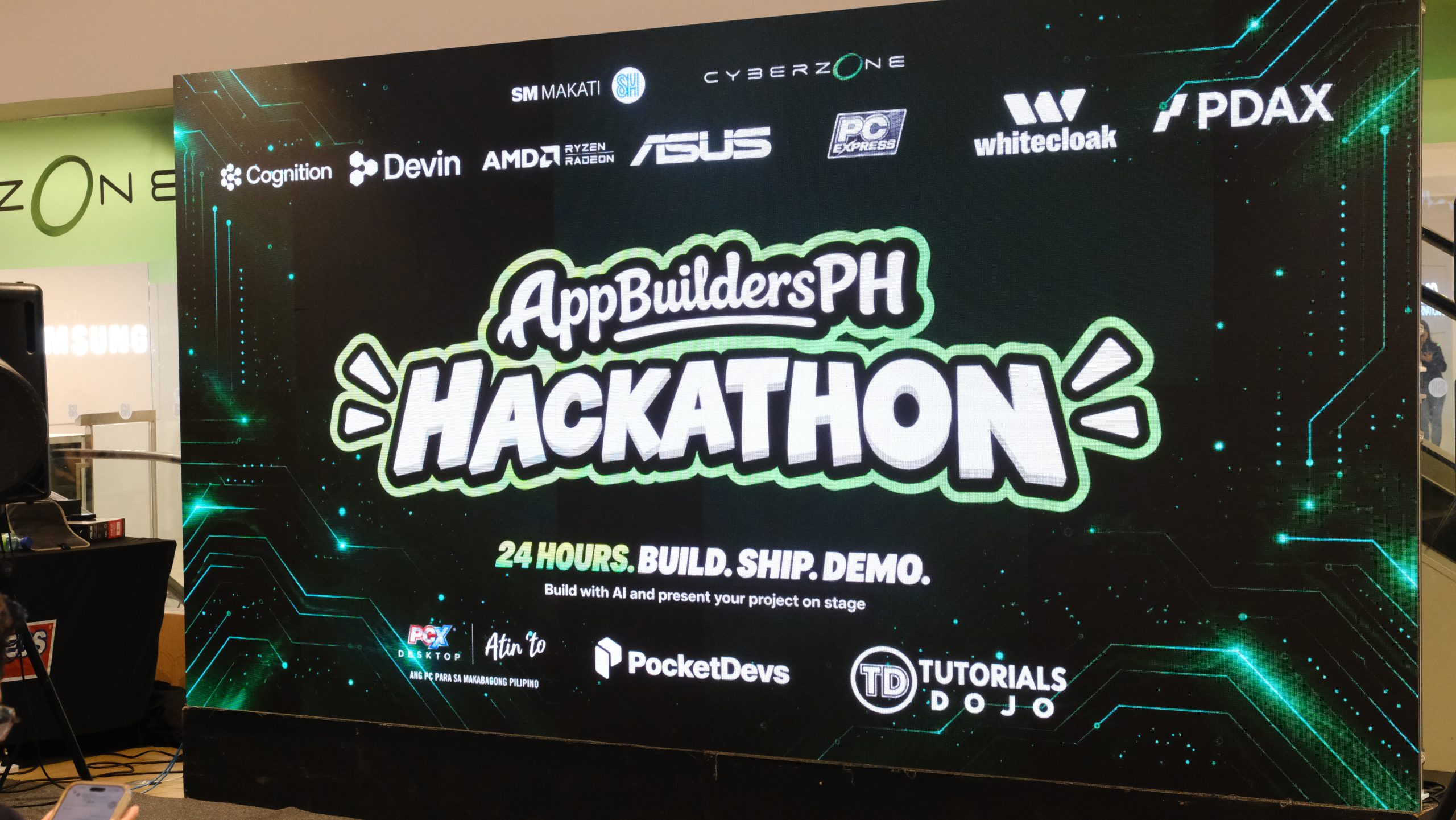
The AppBuildersPH Hackathon 2026 ran on a simple promise: 24 hours. Build. Ship. Demo. Participants were challenged to build with AI and present their projects on stage.
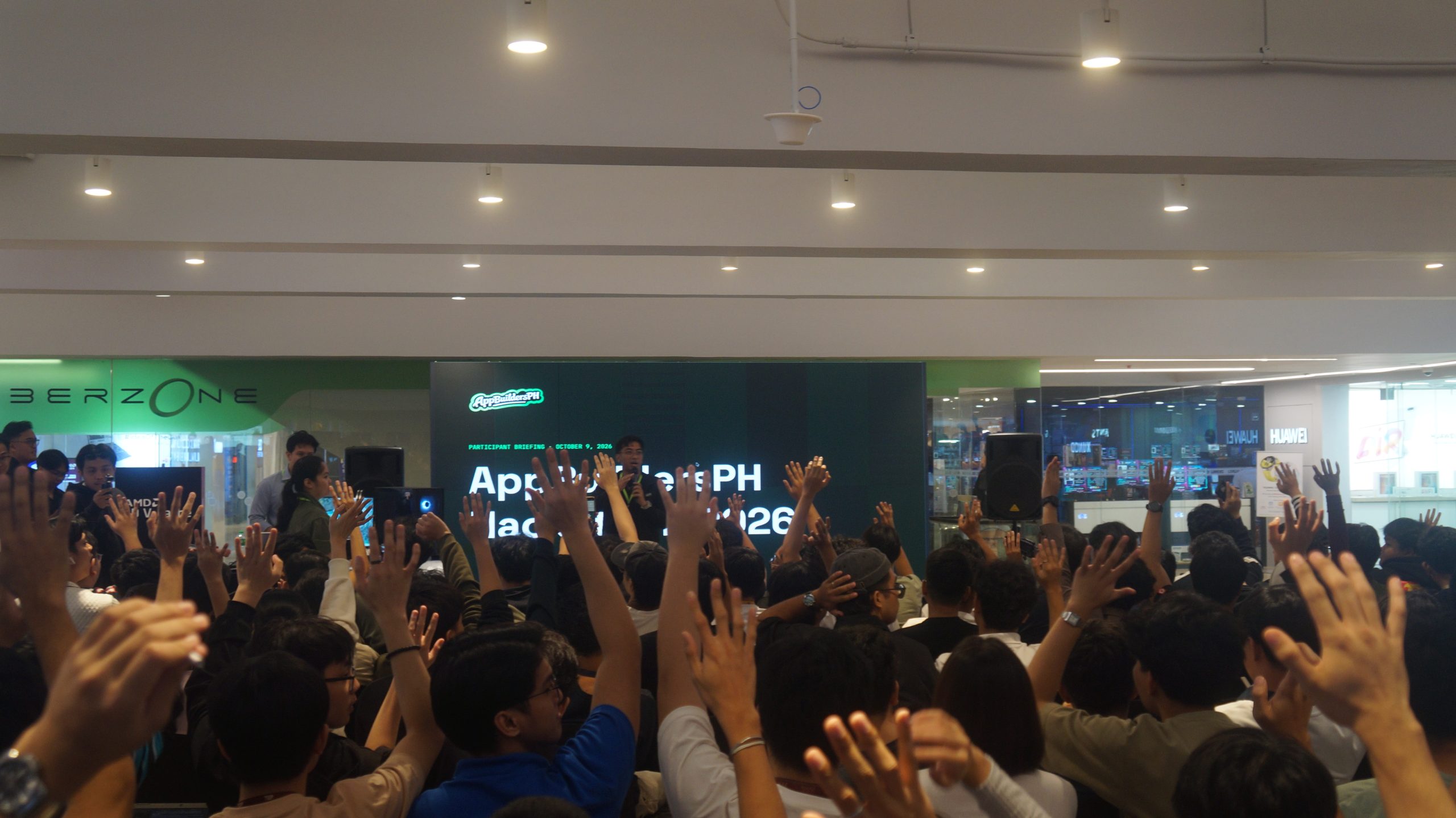
October 9 – Build Day. A fully remote, 24-hour build. The challenge was revealed at 1:00 PM, and the theme was Local AI: build a product that stays useful when the cloud disappears, with meaningful AI running on the user’s own device. Submissions closed at 10:00 AM the next morning.
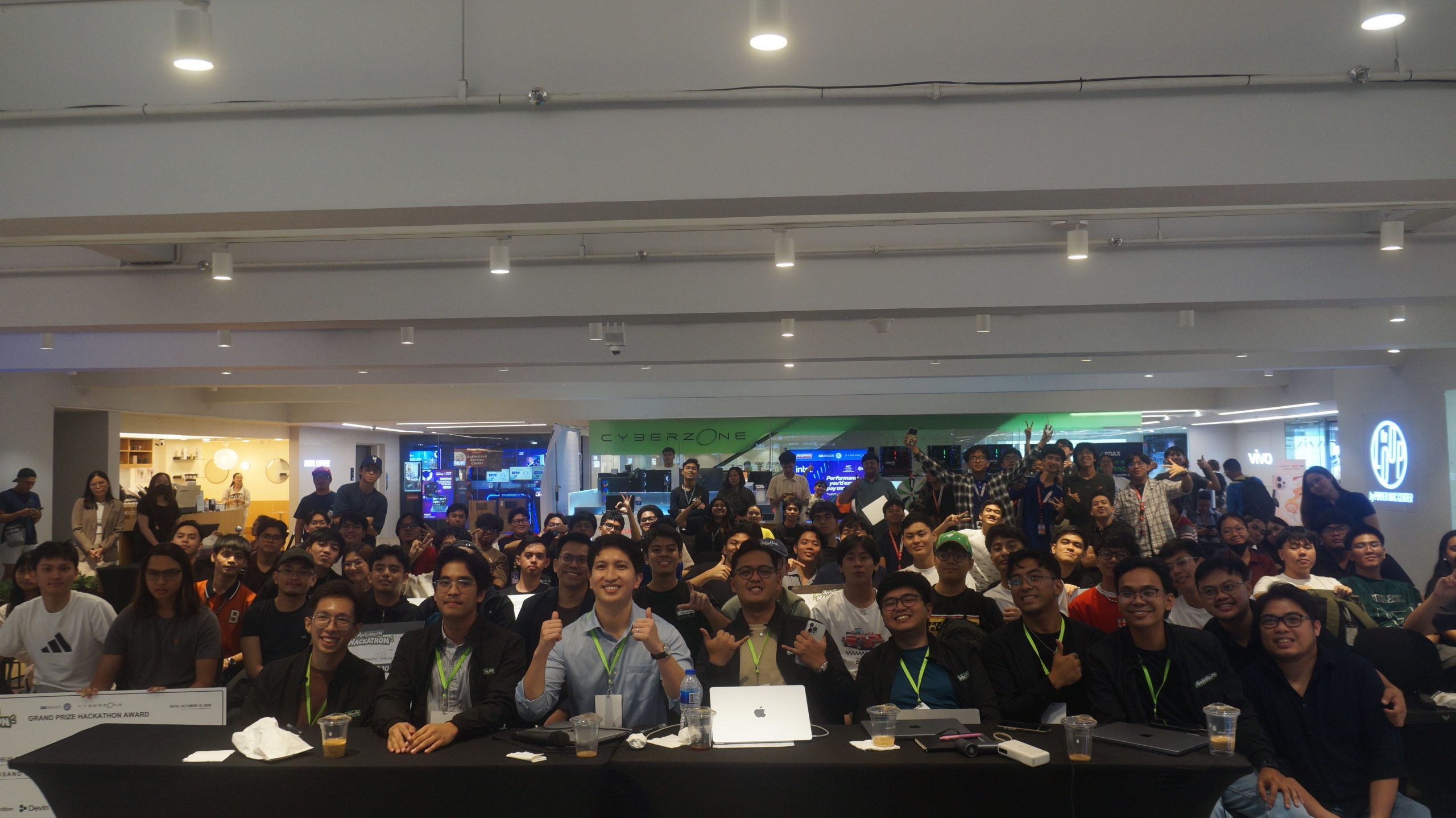
October 10 – Demo Day. The top teams gathered at Cyberzone, SM Makati, from 1:00 to 7:00 PM to demo their builds live. Twelve finalists were announced, plus three wild cards drawn from teams physically present at the venue. Each team had five minutes to pitch and three minutes of Q&A in front of 10 judges.
The Prizes and the Partners
The Grand Champion took home ₱50,000 in cash, plus AMD / ASUS peripherals, Devin AI credits, and swag. The event offered ₱140,000 in total cash prizes across six awards. Besides the Grand Champion prize, there were:
- Cognition / Devin Award (₱10,000), for strong use of Devin, with Devin AI credits and swag
- AMD Award (₱10,000), for the best Local AI implementation, with AMD / ASUS peripherals, Devin AI credits, and swag
- People’s Choice Award (₱10,000), decided by audience vote, with Devin AI credits and swag
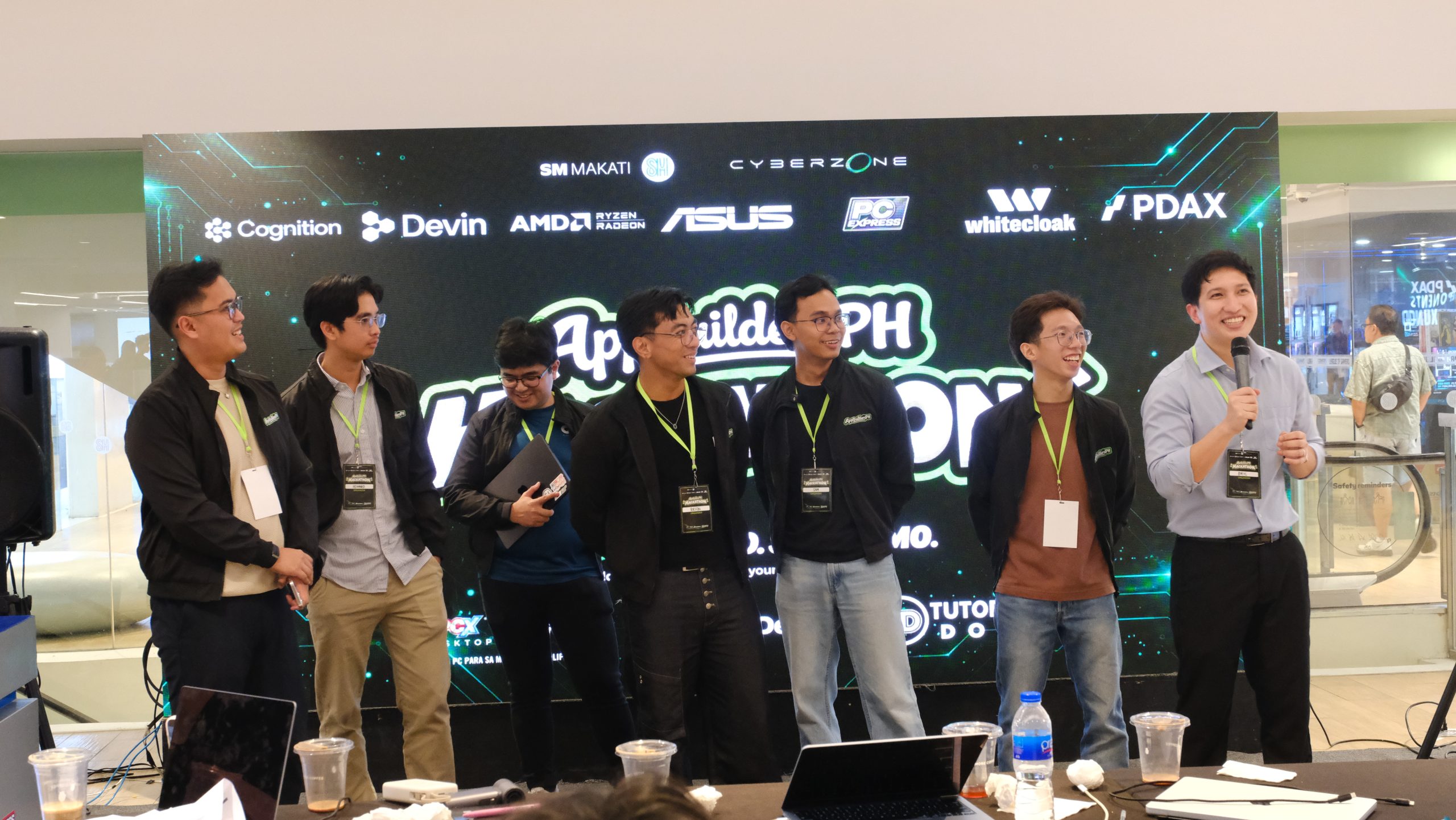
The event was backed by Cognition, Devin, AMD Ryzen and Radeon, ASUS, PC Express, WhiteCloak, PDAX, SM Makati, and Cyberzone, and organized by Bryl Lim and his team at AppBuildersPH in partnership with PocketDevs and Tutorials Dojo. Devin AI credits were also given to participants, and winning teams received prizes and exclusive sponsor swag.
The PocketDevs People’s Choice Award was decided by audience votes cast through a QR code. Two more awards came from other sponsors: the WhiteCloak Award (₱20,000, plus WhiteCloak merch) and the Tutorials Dojo Award (₱10,000 each for four winners).
The Organizers Behind the Stage
For Bryl Lim, founder of App Builders PH, who organized the hackathon with his team, the event was about giving Filipino builders the platform they deserve. A developer who likes to share what he learns, he saw a gap: Filipinos are creative, but there were too few stages that encouraged them to present their ideas. He wanted to bridge that gap and open up opportunities for both students and professionals.
Having competed outside the Philippines himself, Lim says what sets Filipino builders apart is where their ideas come from. “Filipino builders actually take their grassroots experience and bring it on stage,” he said. Their solutions aren’t out of touch because they tackle problems the builders actually live with.
As the event wound down, Lim was in high spirits, joking that he had already booked a trip to Boracay. His message to future builders: in tech it’s easy to get nitpicked or discouraged, but don’t let haters bring you down. Even a simple idea is worth putting out into the world.
On Stage: Local AI Meets Real Problems
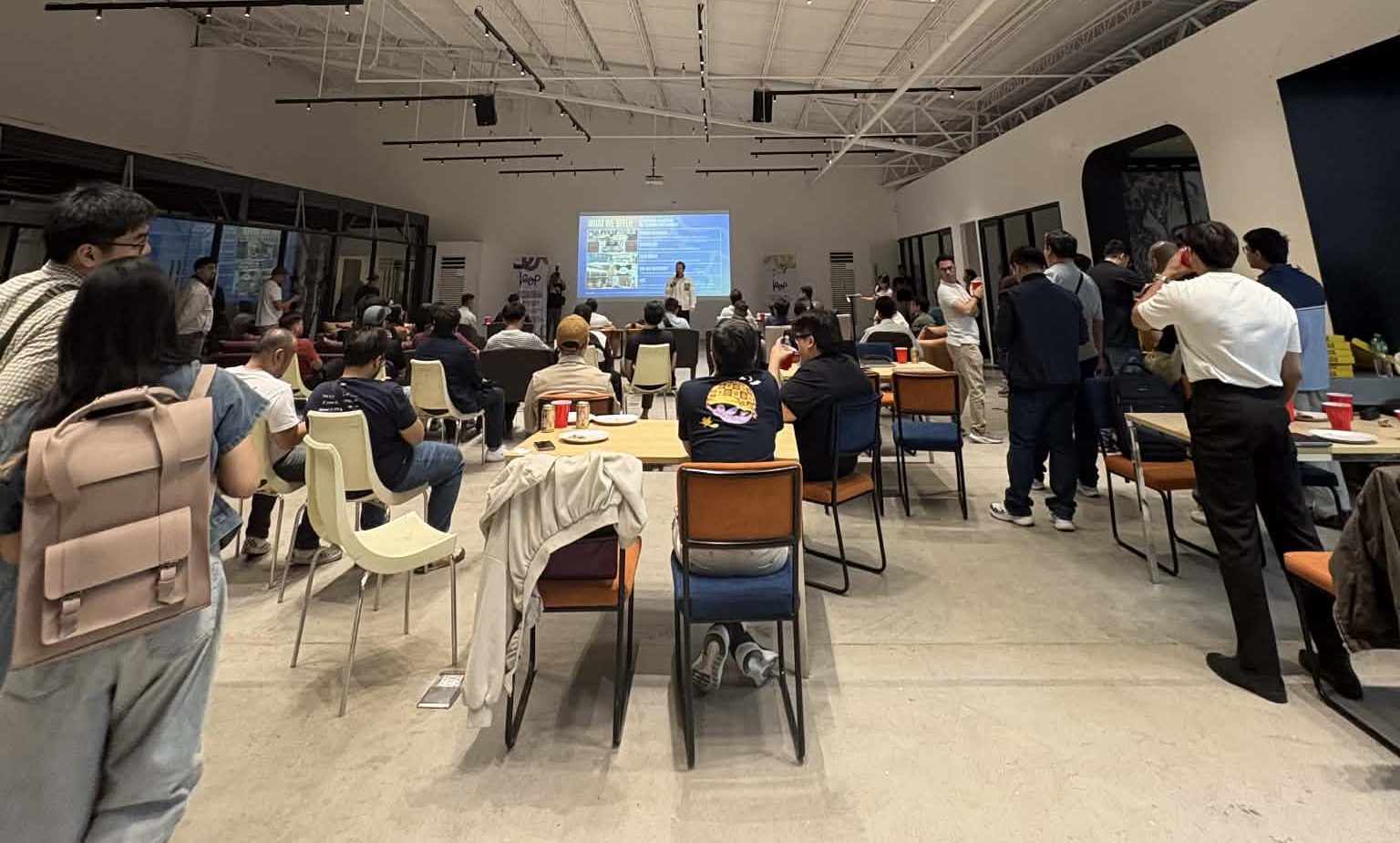
The finalists pitched in the afternoon, and several leaned hard into the local AI challenge.
Earshot from Team Neosolve (Miguel Kalaw and Kean Rosales) is an AI co-pilot for Filipino call center agents that never sends a word to the cloud. The team pointed out that client contracts and the Data Privacy Act restrict sending customer data to third parties, so pasting a call into a cloud chatbot is not an option. Earshot runs entirely on four open-source models, transcribes live local-language speech with an English subtitle under every line, and masks card numbers, phone numbers, and emails the moment they are spoken. Asked how the masking works, the team said it uses regex and deterministic pattern matching tailored to company compliance policies.
Linewise tackles another call center pain point: quality assurance. Reviewers upload recordings, and the tool transcribes the calls, redacts personal information, scores each interaction against customizable QA rubrics, and flags the exact points that need review, with a PDF report at the end. When an audience member asked whether scoring could stay unbiased, the team answered that the criteria and thresholds can be customized.
Snapsort is an on-device AI curation tool for photographers and videographers who work under NDAs and cannot upload raw media to the cloud. It uses facial recognition and confidence scoring to suggest merging clips of the same person across angles, extracts camera metadata, and supports natural-language search of footage.
Another team pitched a mobile app for people living with dementia that helps them recognize family members. It asks for consent, records video and audio, enrolls the person, and transcribes the recording to provide memory assistance.
Meet Some of the Builders
We personally interviewed these builders onsite during the event, with the help of Kristina Aviles.
Team Go Git It: Rewinder
Ever zoned out in the middle of a meeting or class? Science M. Salangsang (Xyience) and her team built Rewinder, an ADHD support app that helps users catch up on what they just missed by turning the last five minutes of sound into a short summary. The idea came from personal experience, since the teammates zone out often themselves, but they’ve noticed classmates and others doing the same.
Privacy is built in: Rewinder records only between Start and Stop, keeps just the last five minutes of audio in memory, and runs all transcription and summarization on the device. Salangsang herself had no prior background in code and once thought it was too hard. Her advice: don’t be afraid to build. It gets easier as you learn, and it’s fulfilling because you’re helping others.
Team Cuekoo: GetcKo
Representing the Polytechnic University of the Philippines (PUP), Team Cuekoo, made up of Jasmin Ivy Fedilo, Rafael Louie Miguel (also known as Kuya Egg), David Bato-Bato, and Gerald Berongoy, built GetcKo, an interactive guide that walks users through an app’s interface: which buttons to click, where to type, and how a workflow runs. The goal is to help government workers, students, and tech beginners learn software, while letting developers teach users in real time based on their own manuals and documentation.
Asked what sets the team apart, Kuya Egg answered with pride: they’re from PUP, “and we are the best.” Reaching the finals, he said, already meant things went well, and the team hopes to bring home an award.
The hope paid off: GetcKo went on to win the Cognition Award. Beyond pointing at the right button, it answers questions from a user’s own PDFs and Word files, and every model runs on the user’s computer, so it works with Wi-Fi off. The Polytechnic University of the Philippines was also the top school at the hackathon, with 94 registered builders.
Solo Builder John Leorick “Leo” Salalila: Bantay Aso
Competing alone, Leo built Bantay Aso, a smart dog-monitoring tool that connects to CCTV feeds. Owners can watch over their pets, speak to them through two-way voice, and get alerted within 10 to 30 seconds if danger is detected. He built it because he cares deeply about his own dog and wanted peace of mind whenever he’s busy.
Despite some mechanical challenges, making the finals gave him the chance to pitch, showcase his talent, and reach other pet owners with the same worries. His advice to future builders: don’t be shy about sharing your ideas with the world, because you never know how much you’ll learn from the experience.
The Winners
Guhit, a solo build by Kaya Randomized, took the Grand Champion award. It turns a child’s paper drawing into a living character that moves, listens, and tells picture-book stories, all inside the browser with no cloud and no account.
The local AI challenge shaped the whole top nine: every winning project runs its models on the user’s own device.
| Award | Project | Team | What it does |
|---|---|---|---|
| Grand Champion | Guhit | Kaya Randomized (solo) | Brings a child’s drawing to life, fully on-device |
| WhiteCloak Award | Snapsort | Generation of Miracles | Mac app that searches photos and footage by description, with no uploads |
| AMD Award | Gabay | qtr.zip | Shows older, non-technical users where to click next on a Mac |
| Cognition Award | GetcKo | Cuekoo | On-screen guide that points to the right button and answers from your documents |
| Tutorials Dojo Award | Earshot | Neosolve | On-device copilot for call center agents |
| Tutorials Dojo Award | Linewise | Busseng | Automates call QA with on-device redaction and scoring |
| Tutorials Dojo Award | PromptGuard PH | LonggaDog | Masks sensitive data before it reaches a cloud chatbot |
| Tutorials Dojo Award | SAGIP | darl.dev (solo) | Offline emergency assistant in English and Tagalog |
| PocketDevs People’s Choice Award | Suri | Indomie | iPhone scam-message checker using a local AI model |
The full list of all 281 projects is on the AppBuildersPH Hackathon 2026 projects page.
What the Hackathon Showed
The builders we met did not start from big, abstract ideas. Rewinder helps people who lose focus catch up on what they missed. GetcKo helps beginners and government workers learn how to use software. Bantay Aso lets a dog owner check on their pet while busy. Each project began with a problem the builder saw in their own life.
That is exactly what Bryl Lim hoped the AppBuildersPH Hackathon would show: that Filipino builders, given a stage and 24 hours, can ship solutions that matter. And if the finalists’ advice has a common thread, it’s this: don’t wait until your idea feels big enough. Build it, ship it, and show it.
About the Author: Rodmina Ibe