The Philippines is no longer asking whether businesses should digitally transform. The bigger question now is what happens after the apps are built, the cloud is adopted, and AI gets added to the roadmap.
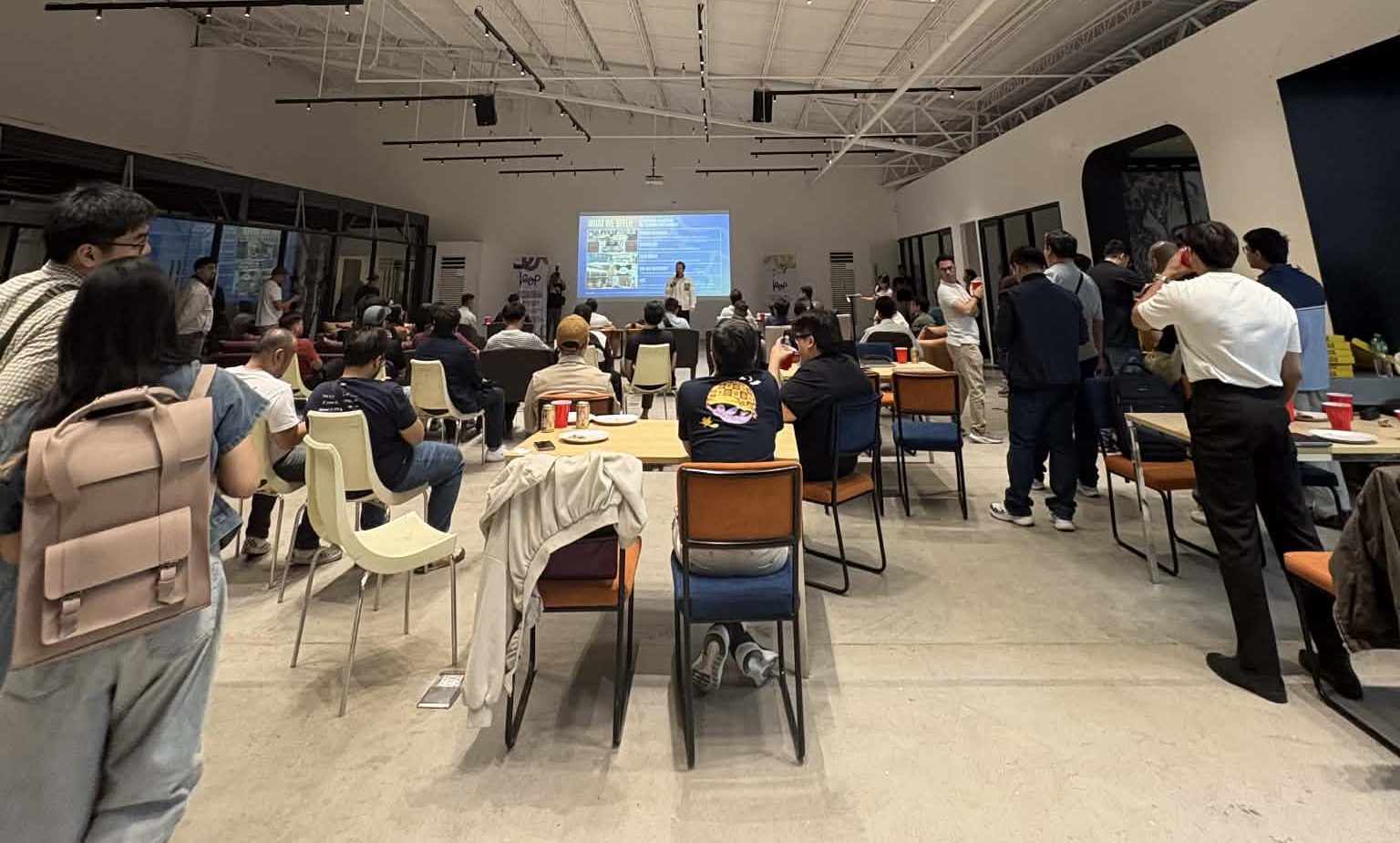
That was the conversation at the 47th Digital Transformation Summit Philippines 2026, held May 21 at Marriott Manila. Organized by Exito Media Concepts, the one-day summit brought together more than 200 executives, technology leaders and digital decision-makers to talk about where enterprise technology is actually heading in the Philippines.
And the answer was not simply “AI.”
AI was certainly one of the biggest themes, but the discussions placed it alongside cloud and edge computing, cybersecurity and digital trust, intelligent automation, data-driven decision-making, the future of work, and emerging technologies. In other words, transformation is becoming less about deploying one exciting technology and more about connecting technology decisions to how an organization actually operates.
The summit brought together technology leaders from different industries, including Leonardo Sacamos, Chief Information Officer of FAST Logistics Group, Jobelle Ariola, Director of Information Technology & Business Process at Julie’s Franchise Corp, Tiffany Kai King, Director of Information Technology & Digital Transformation at Mega Prime Foods Inc, Charlie Valerio, Chief Information Officer of Aboitiz Power, and Bryan Leo Asis, Group Chief Information Officer of BENBY ENTERPRISES, INC. Their presence reflected something important about the conversation: digital transformation is no longer confined to technology companies. Logistics, food, power, manufacturing and other traditional industries are all dealing with the same question—how do you turn technology investment into something the business can actually use?
There was also a strong focus on the practical side of transformation. Cloud-first strategies and AI-powered decision-making sound great on a presentation slide, but organizations still have to deal with cybersecurity, data quality, integration, automation, people and organizational culture. The summit’s focus areas reflected that reality, covering everything from SaaS and intelligent automation to cybersecurity, digital trust and the future of work.
For people working in IT, this is probably the most interesting part of the conversation. The job is changing. A technology leader today is not simply deciding which server, application or cloud service to deploy. They are increasingly expected to understand the business problem, evaluate emerging technology, manage risk, work with people and ultimately explain why a technology investment matters.
And maybe that’s the real meaning of “digital transformation” in 2026. It isn’t about having the newest technology. It’s about making technology useful enough that the organization itself changes because of it.
For KaKaComputer, that’s a conversation worth following—not just because AI is getting smarter, but because the people responsible for putting that AI into the real world now have to figure out what happens next.
#KaKaComputer #DigitalTransformation #Philippines #AI #CloudComputing #Cybersecurity #TechnologyLeadership #DigitalTransformationSummit
About the Author: kristina aviles