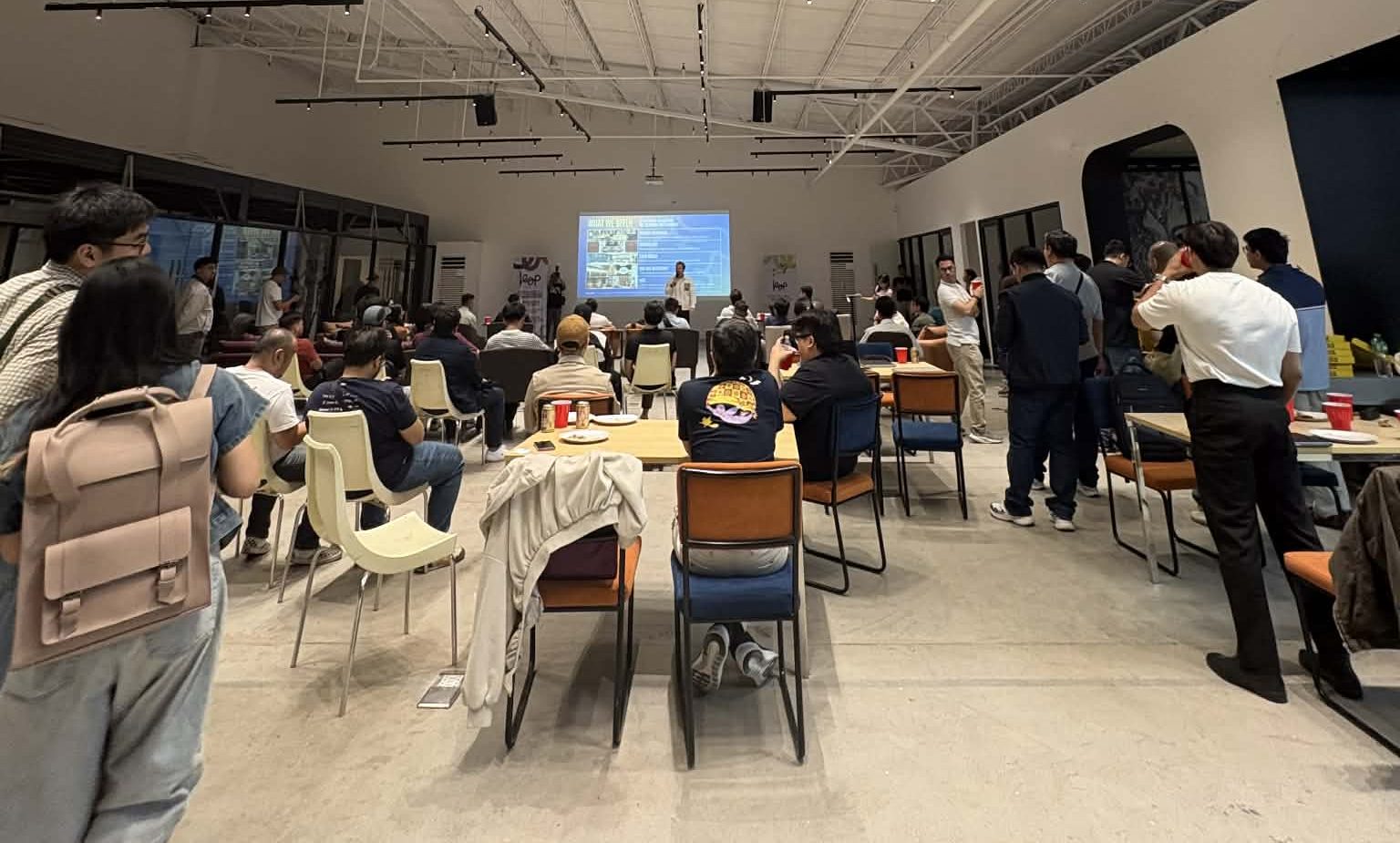
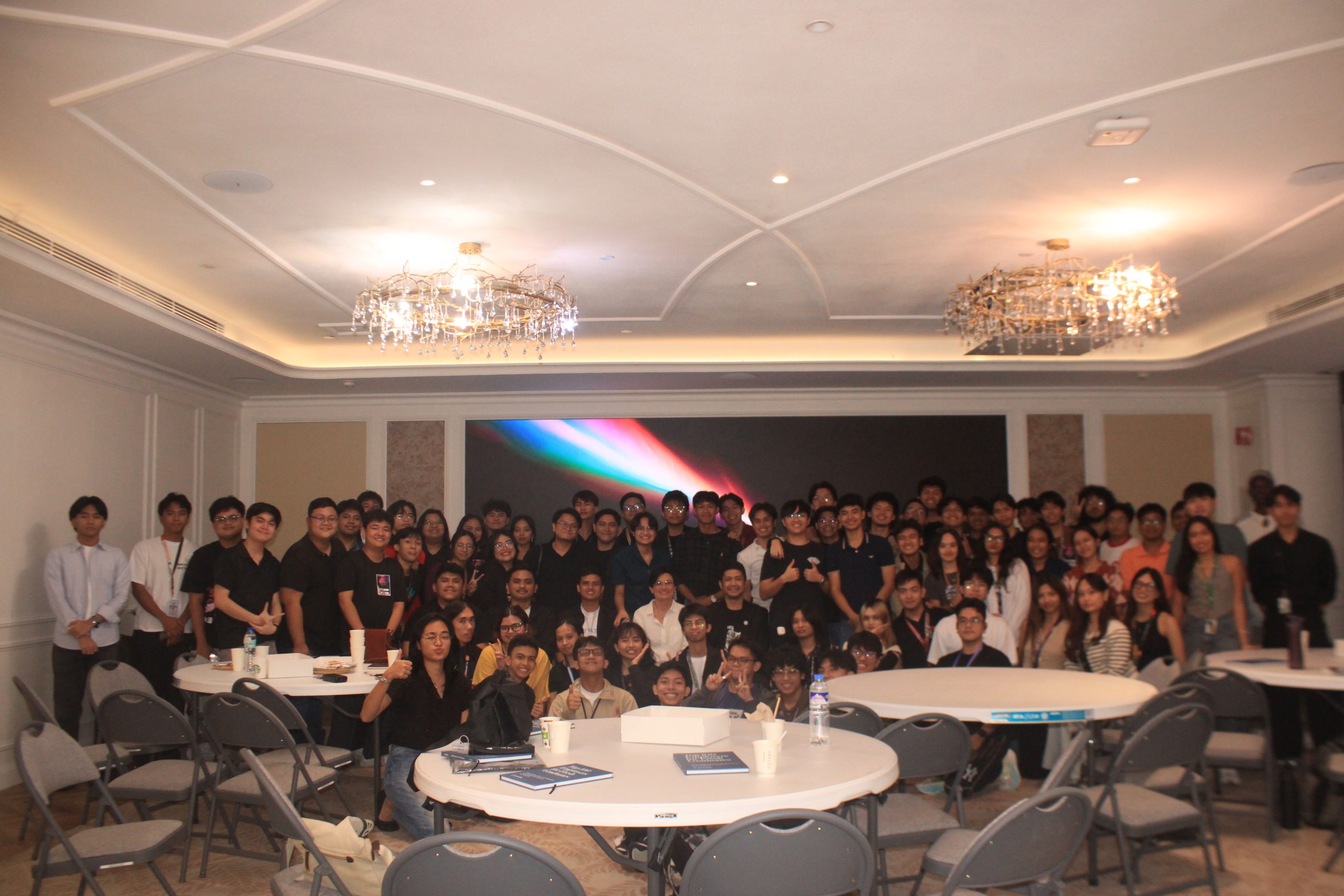
“In cybersecurity, there’s no such thing as ‘one approach fits all’ — think outside the box.” Cybersecurity professional Peter Joshua Brion shared this message on October 4, 2026, at the Day 1 kickoff of Packet Capture: Beneath the Network. It is the first-ever international Networking x Cybersecurity Capture-the-Flag (CTF) challenge to bring networking systems and security operations together in one game.
The gamified event was made possible by CyberPH, MQ CyberSec (Australia), WorkFlow PH, Cisco NetConnect PUP, and ICPEP.SE PUP. With Challenge Partners, SYNX and A1SBERG, it was a joint effort of student communities, industry professionals, and an international organization, held with the Huawei Cloud Developer Group Philippines at the Huawei Showroom, Milestone 4th Avenue.
Infrastructure of Knowledge
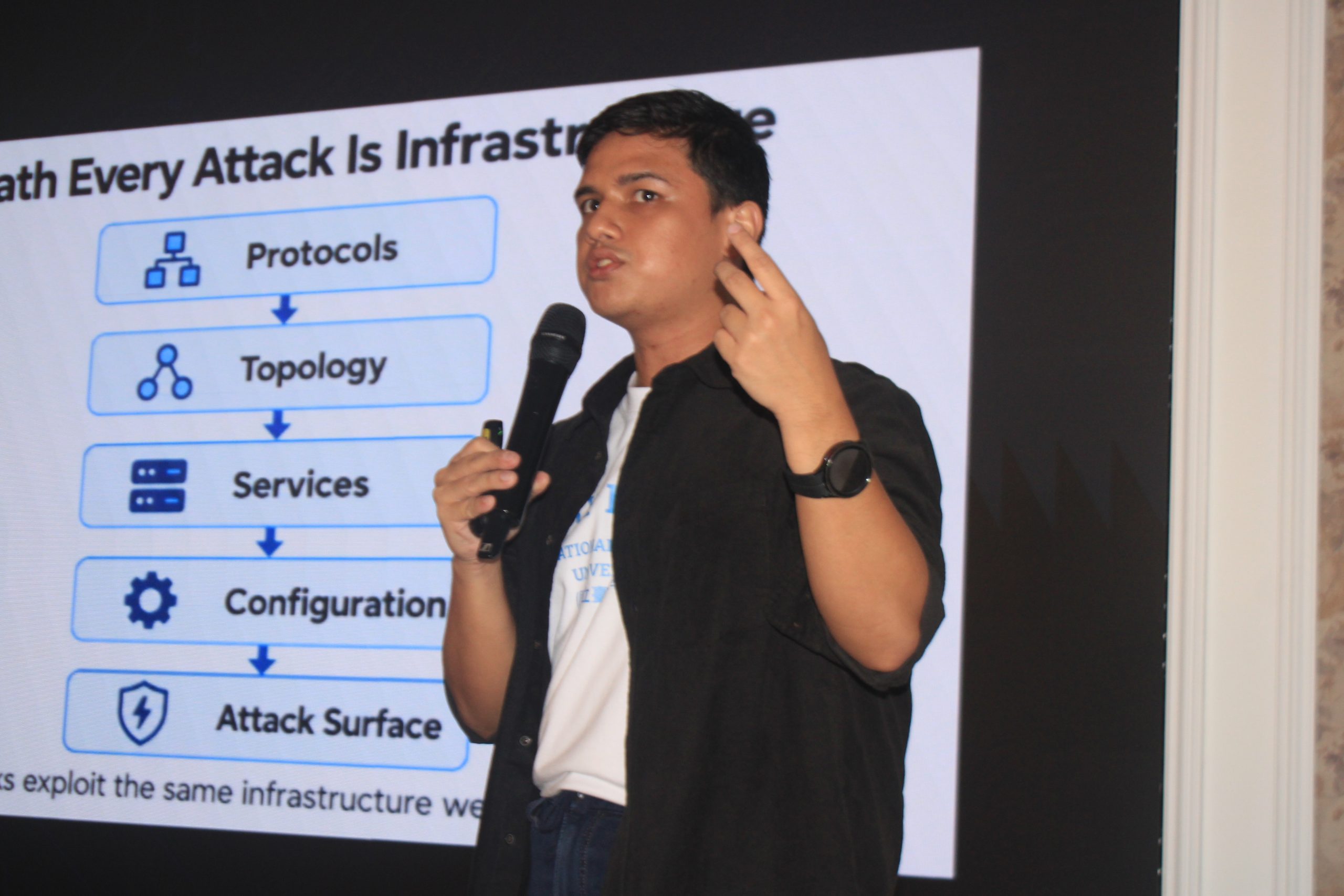
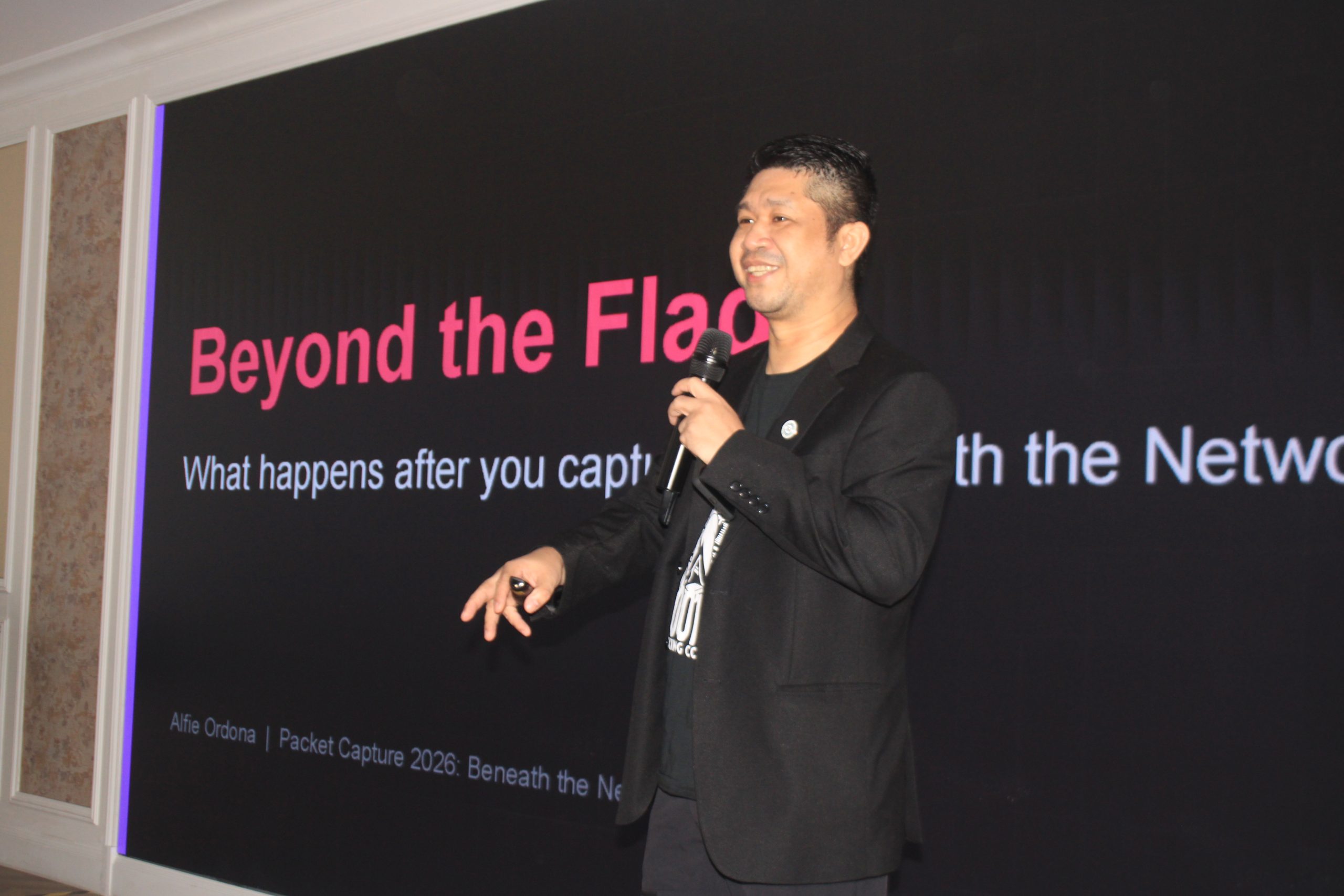
Packet Capture: Beneath the Network aims to give aspiring cybersecurity and networking professionals a space to learn from industry practitioners, test their skills, and connect with a community that will grow with them. Mastering the fundamentals of cybersecurity and networking matters because every advanced defense, and every attack, is built on how networks and protocols actually work. The skills we build today are the foundation for the future, and Alfie Ordona, Senior Site Reliability Engineer (SRE) at Standard Chartered, shared how those skills are tested by modern cybersecurity threats in real industry situations.
AI as Vulnerability
The fundamentals now extend to a new frontier. AI overlaps many industries, and because AI agents can help build systems and applications in minutes, it has also become a new attack surface. That speed makes AI-powered applications vulnerable, since attackers can target the AI workflows they depend on, and the same technology can be used to produce fake and misleading information that is difficult to identify. Raphael Louie Miguel, a Tutorials Dojo representative, reminded participants that resilience goes beyond code: it also means learning to identify fake and misleading information, because the tools we rely on can be turned against us.
Community as Defense
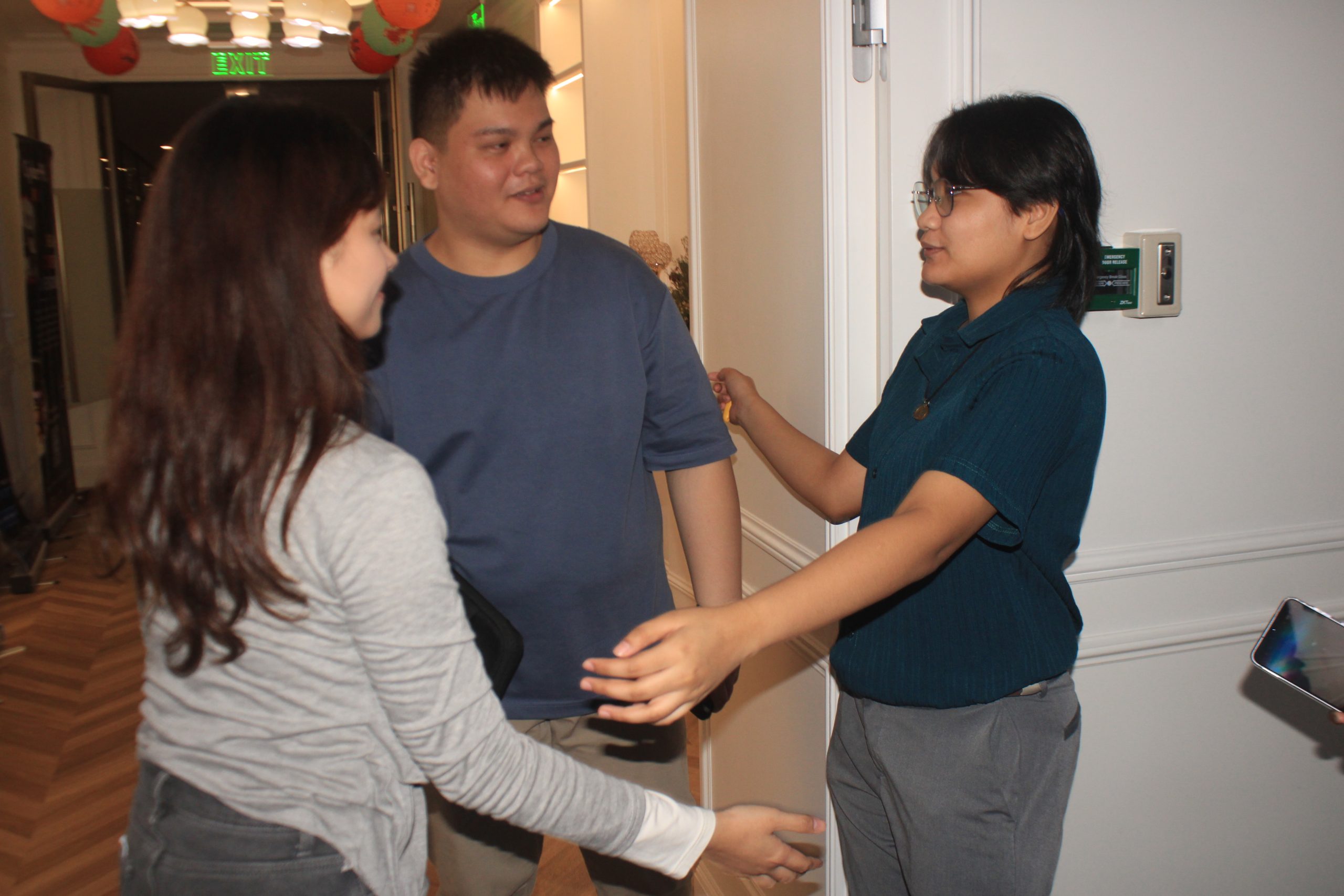
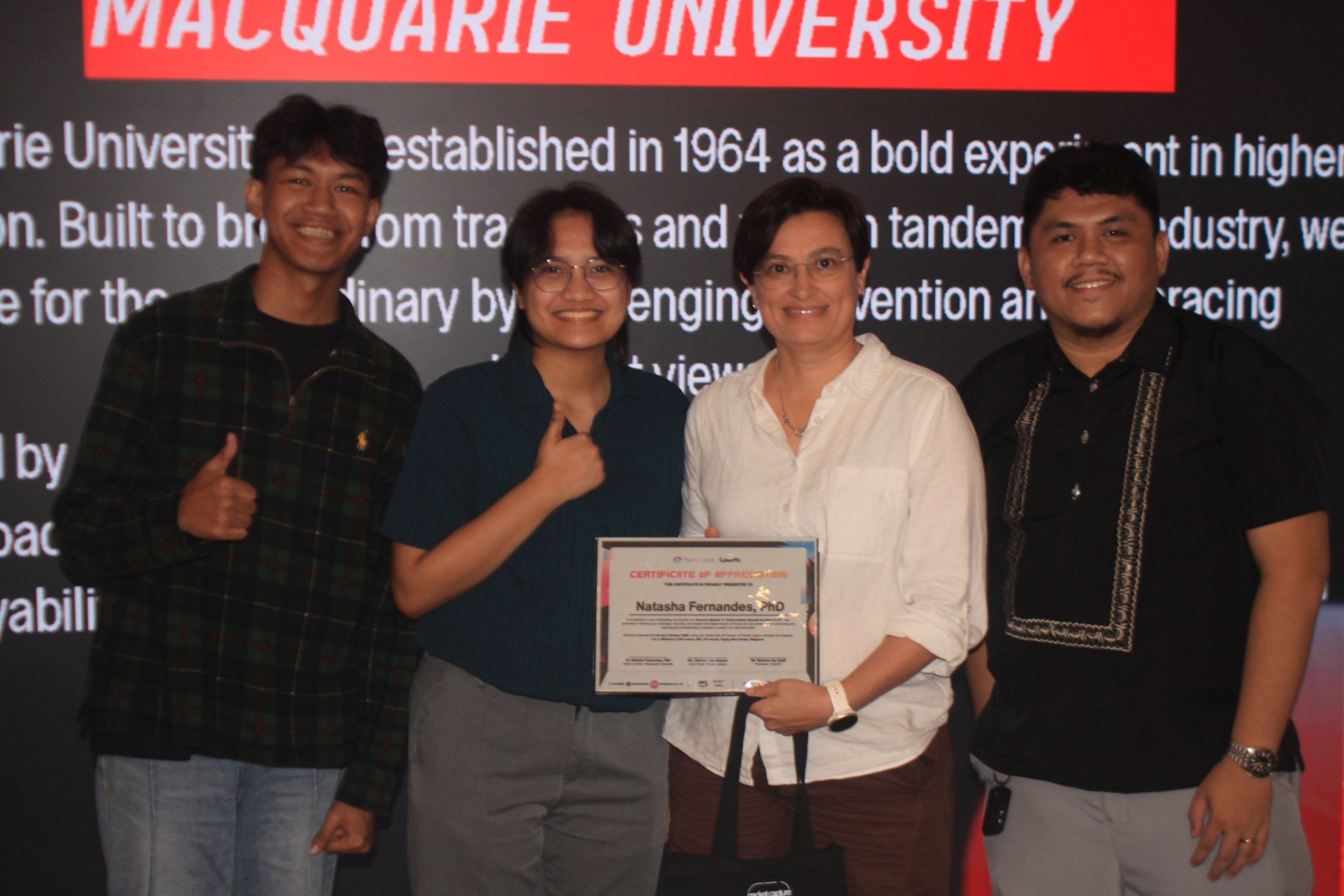
No one defends alone, and the strongest defense is the community you build, as the organizations behind this event show. Dr. Natasha Fernandes, Senior Lecturer at Macquarie University, brought a global view of hacking as an opportunity that opens the door to many careers. She showed that securing a system is not a single path, with roles such as Chief Information Security Officer, Ethical Hacker, Risk Analyst, and Security Architect.
Clarisse Jem Salazar, WorkFlow PH Community Lead, carried this spirit forward in “Breaking Barriers: Empowering Women in Cybersecurity.” For students, the road into the field can follow a clear sequence:
- Curiosity
- Communities
- Projects
- Leadership
- Internships
- Cybersecurity
Her session highlighted opportunities for women across the technical workforce and encouraged participants to pursue cybersecurity careers through mentorship and community support.
Warming Up for the Challenge
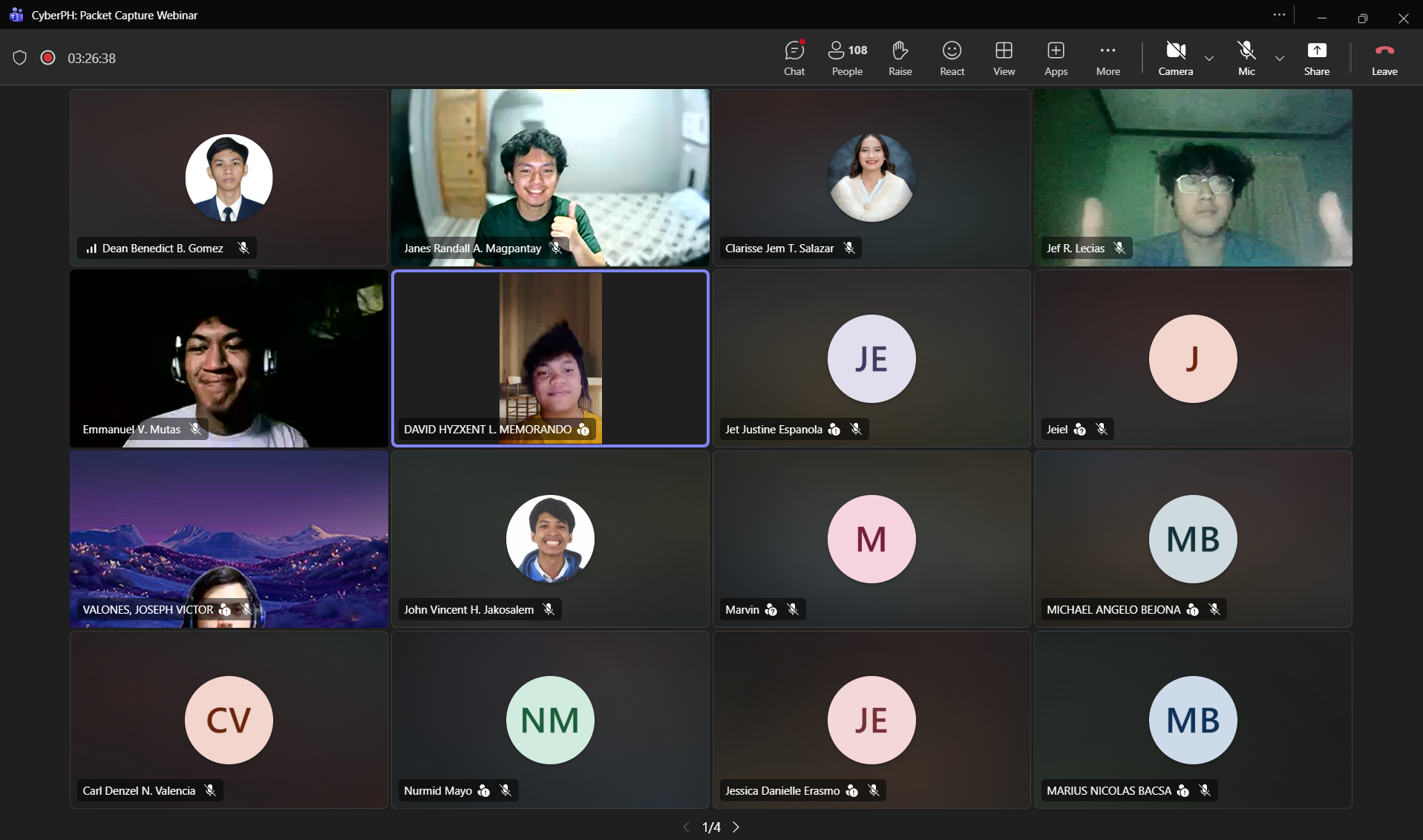
On October 17, Packet Capture moved online for Day 2, a workshop day built to prepare participants for the challenge phase. Think of it as a warm-up lap: sample packet tracer challenges, a sneak peek at the cybersecurity topics waiting in the CTF, and a chance to ask questions before the real game began. James Magpantay, Vice Chief Technology Officer of Cisco NetConnect PUP (CNCP), opened with Network Forensics in Practice: A Packet Tracer CTF Walkthrough. He worked through sample packet tracer challenges and showed how an investigator reads network traffic for clues, a skill that connects the fundamentals from Day 1 to hands-on practice.
Jef Lecias, CyberOps Co-Lead of CNCP, followed with No Source, No Problem: A Beginner’s Guide to a Real CTF Web Solve. His proactive, high-energy session walked through a real-world CTF web challenge from start to finish, proving that even without the source code, a curious and methodical approach can still find the way in. This echoes the Day 1 reminder that attackers go after the hidden, not the obvious. Both workshops ended with a live Q&A, so participants left with answers, new techniques, and more confidence heading into the competition.
Day 3: Recognizing the Champions
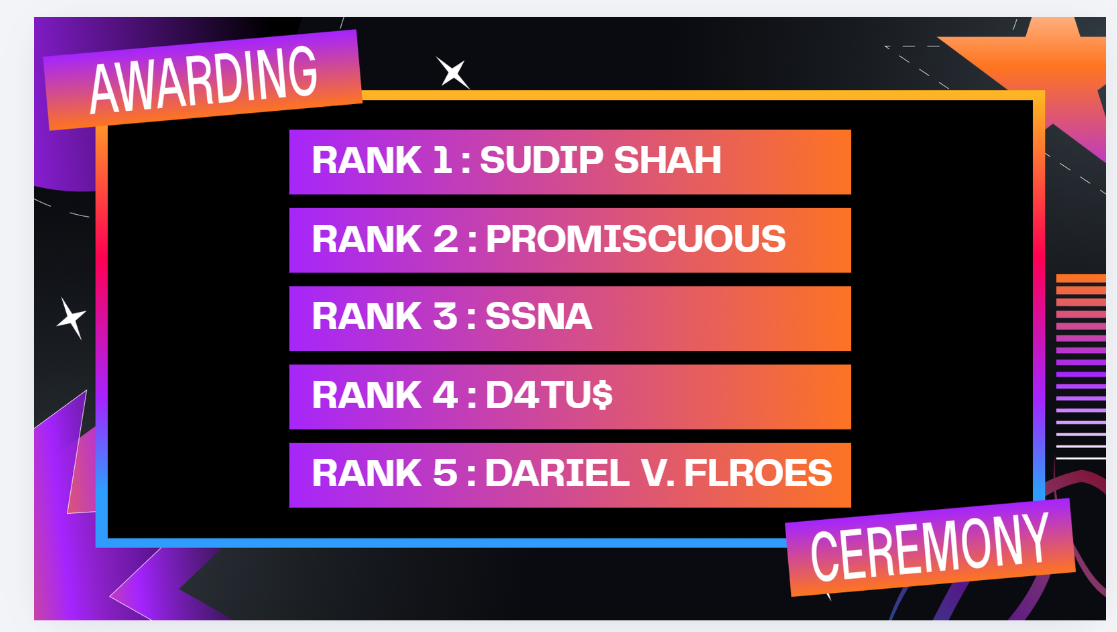
On October 26, the event closed with the Awarding Ceremony, led by Emmanuel Mutas. The Top 5 participants were announced: Sudip Shah in first place, followed by Promiscuous, SSNA, D4TU$, and Dariel Flroes. The top three received cash prizes of Php 5,000, Php 3,000, and Php 2,000, and all five earned the Appkademiya Certified Web Penetration Tester (CWPT) certification, courtesy of our sponsor Appkademiya. A raffle also gave 19 more participants the chance to win the same certification.
Their efforts and dedication earned high scores and well-deserved recognition. But the most important takeaway of Packet Capture is not the ranking. It is the learning we gathered and shared with our community.
Security for Society
These lessons matter well beyond the venue, activities, and events. For the Filipino people, and especially for students and professionals who want to work passionately in cybersecurity and networking, Packet Capture showed what the field asks for: strong fundamentals, sound judgment, and a community to lean on. Day 1 connected classroom learning to real industry situations, Day 2 turned that knowledge into hands-on practice, and Day 3 celebrated the effort behind it, so participants left with a clearer picture of where their skills can take them. The learning does not stop here: this is just the start of something bigger, and as the event moves to its next stage, the learning continues through experience.
About the Author
Dean Benedict Gomez is a BSIT student at the Polytechnic University of the Philippines focused on Cybersecurity, DevOps, and Project Management. He serves as Executive President of the PUP – Association of DOST Scholars (PUP-ADS), where he continues to learn practical skills that he shares with his community. He aims to become a DevSecOps Engineer who builds secure, reliable systems that serve the people who use them.

About the Author: Rodmina Ibe